Areopoli → Diros caves
BOAT THROUGH THE CAVE · 40 MIN
Gondoliers pole you through a flooded cathedral of stalactites, one of Europe's great cave visits, best booked for early morning before coaches arrive.
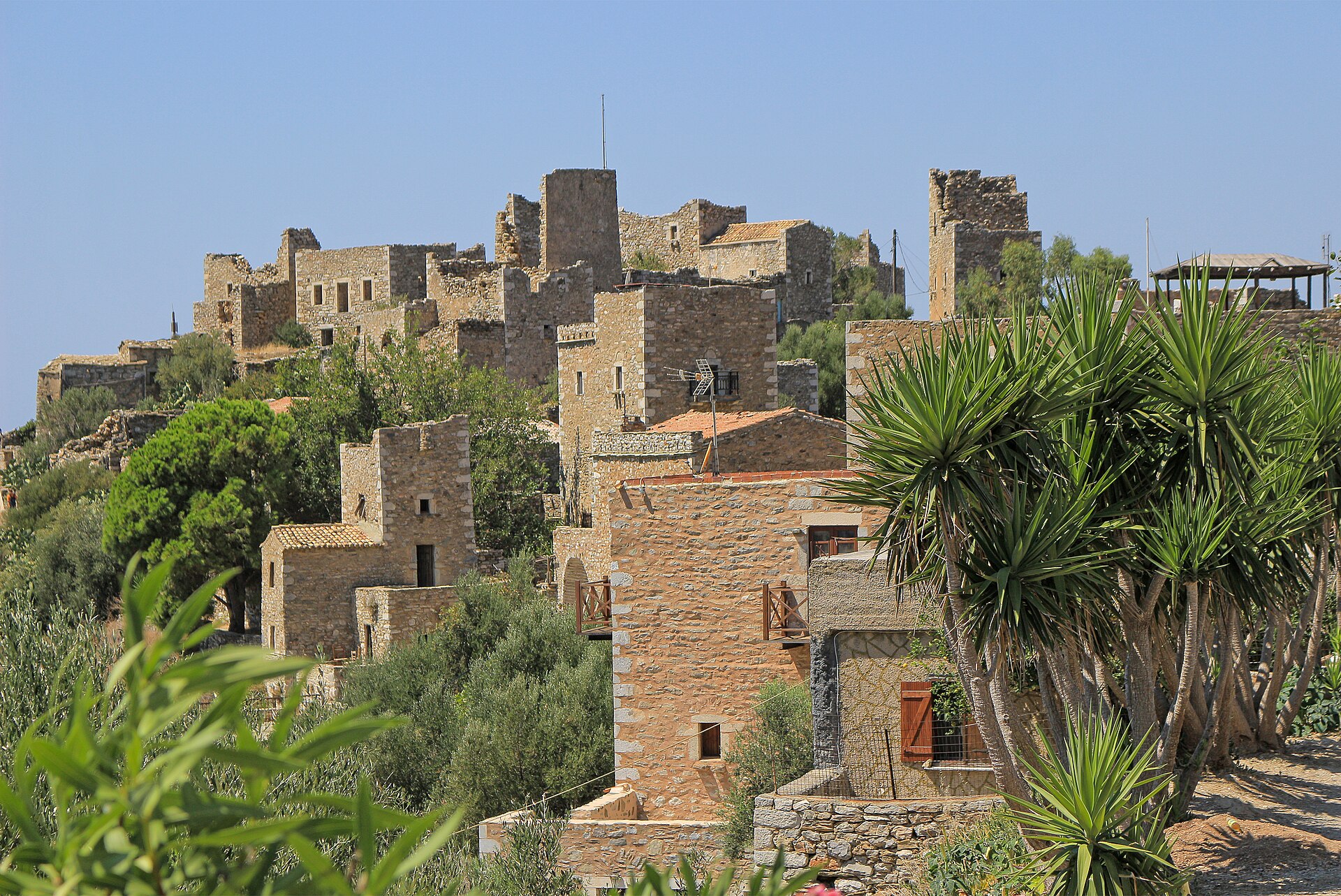
A bare limestone finger pointing at Africa, villages that are skylines of grey keeps, turquoise coves between the cliffs, and at the very tip, a lighthouse standing on the mythical gate of Hades. The Mani is Greece with the volume down and the intensity up. Here's how to drive it.
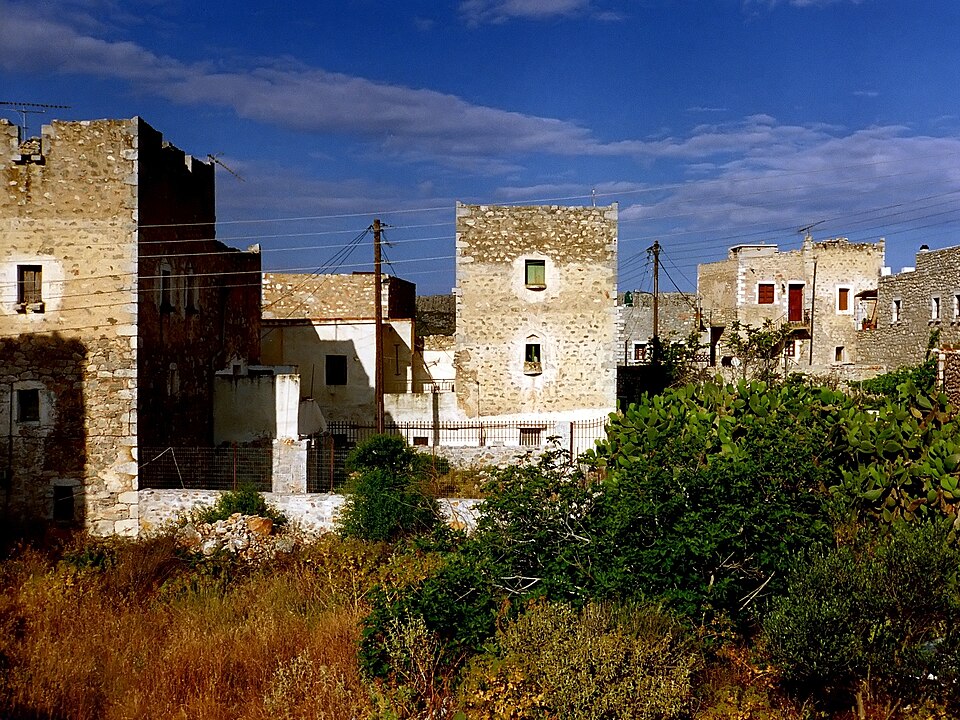
Maniot clans never fully bowed to the Ottomans, or to each other. From the 17th century on, every family of standing built upward: fortified towers from which feuds were waged, truces called for harvest, and marriages negotiated. The result is a landscape found nowhere else in Greece.
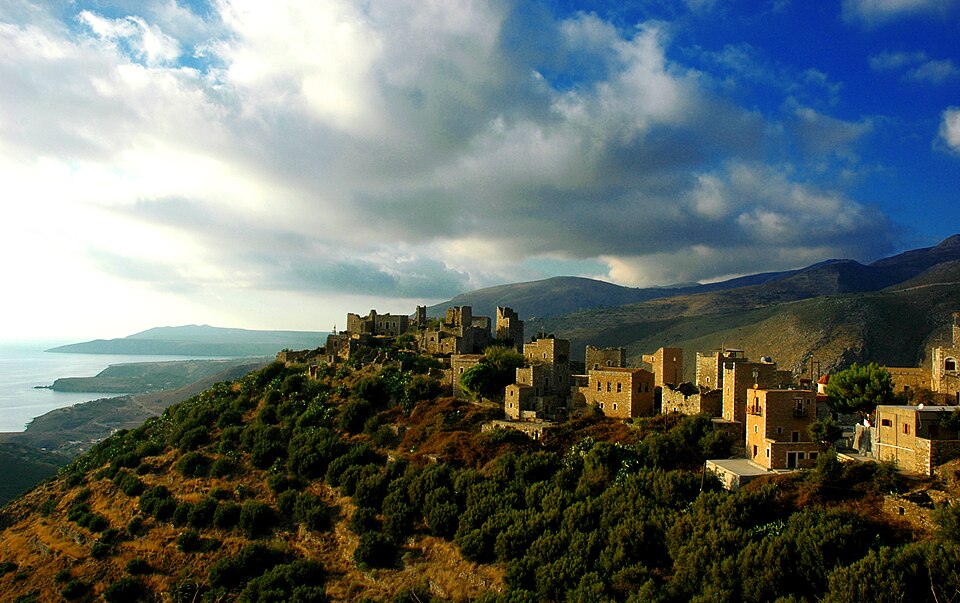
GOLDEN HOUR IS EVERYTHING HERE · THE GREY STONE TURNS HONEY AT 18:00 IN JUNE
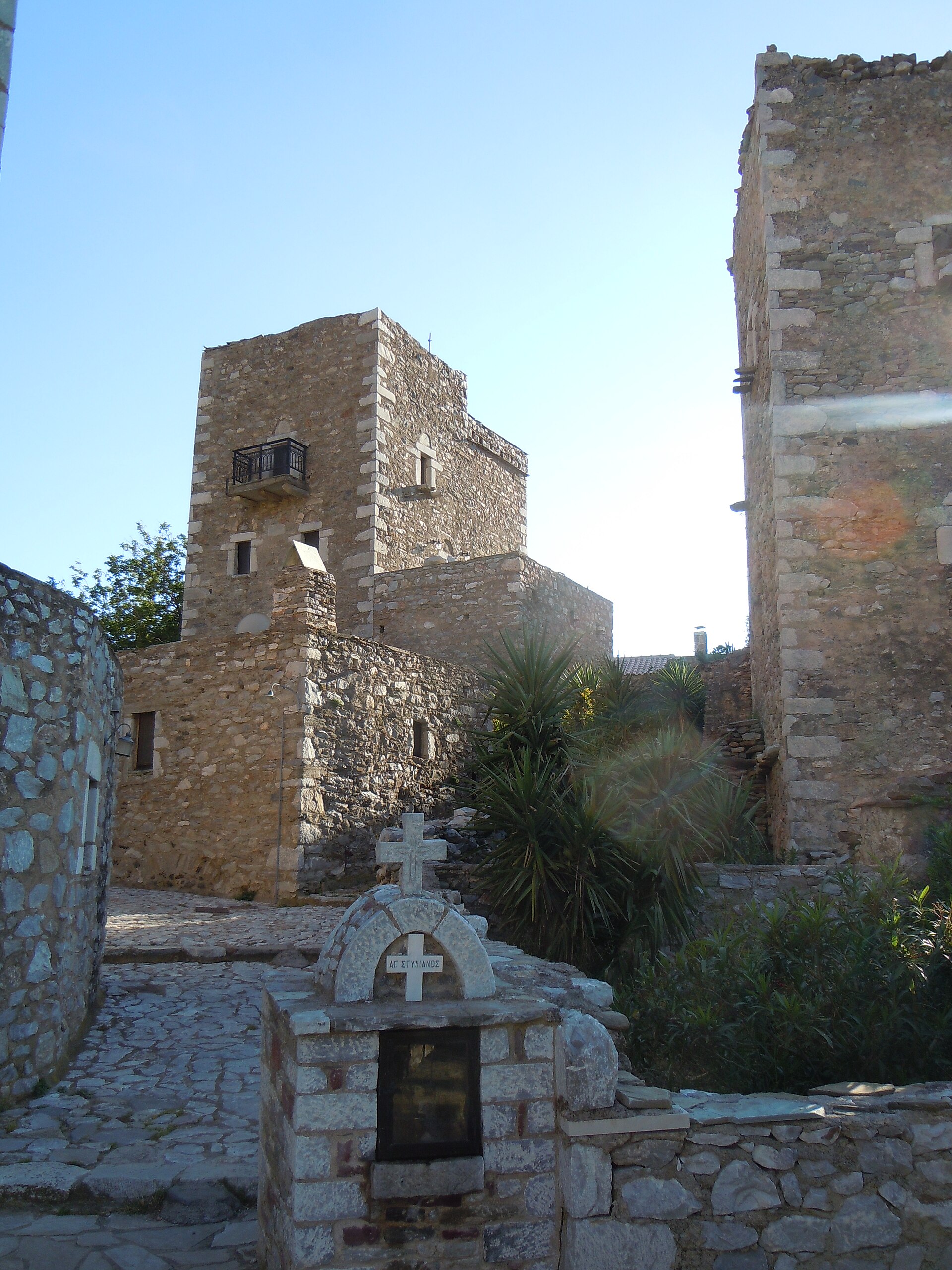
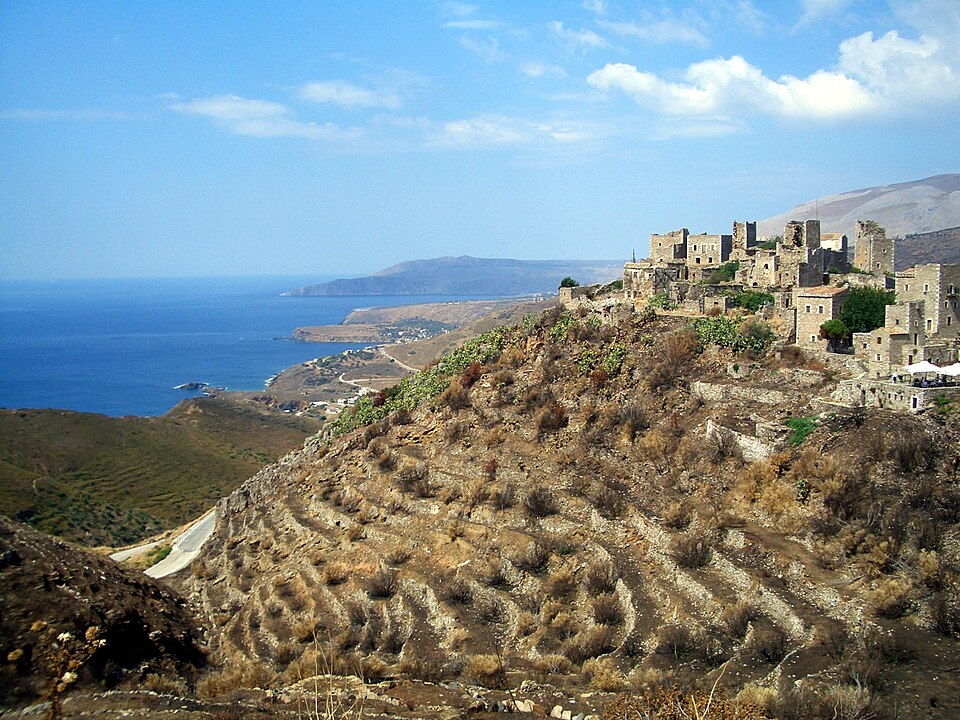
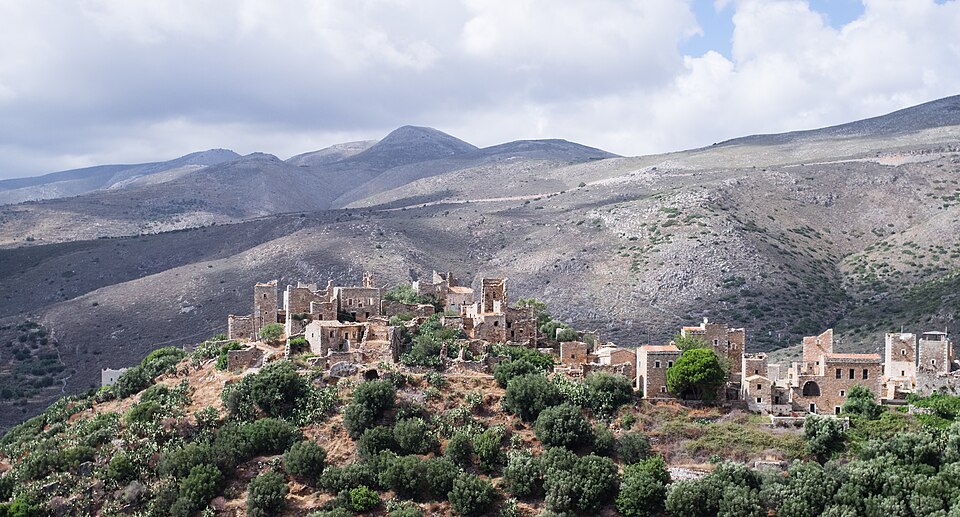
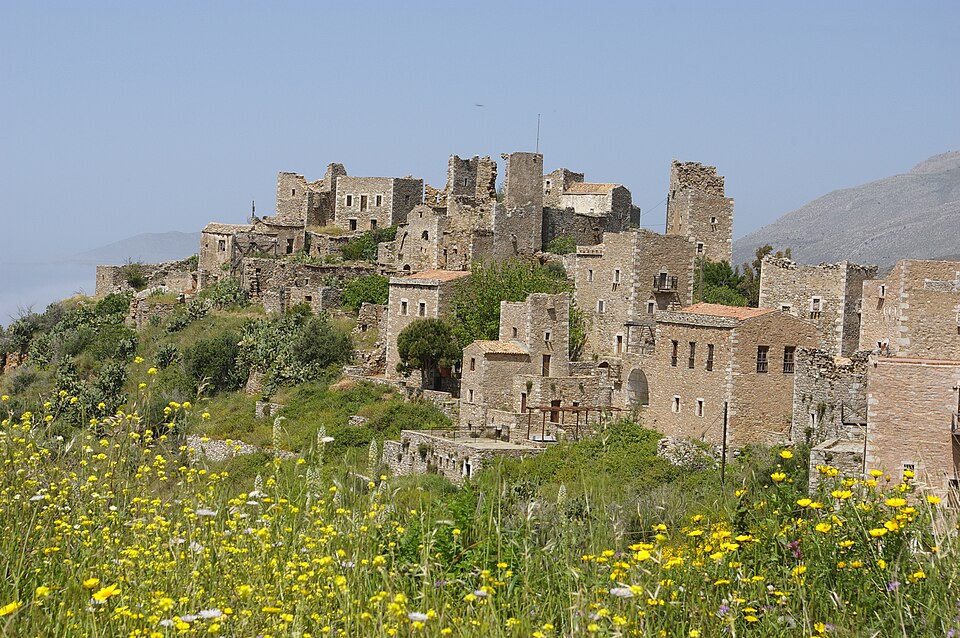
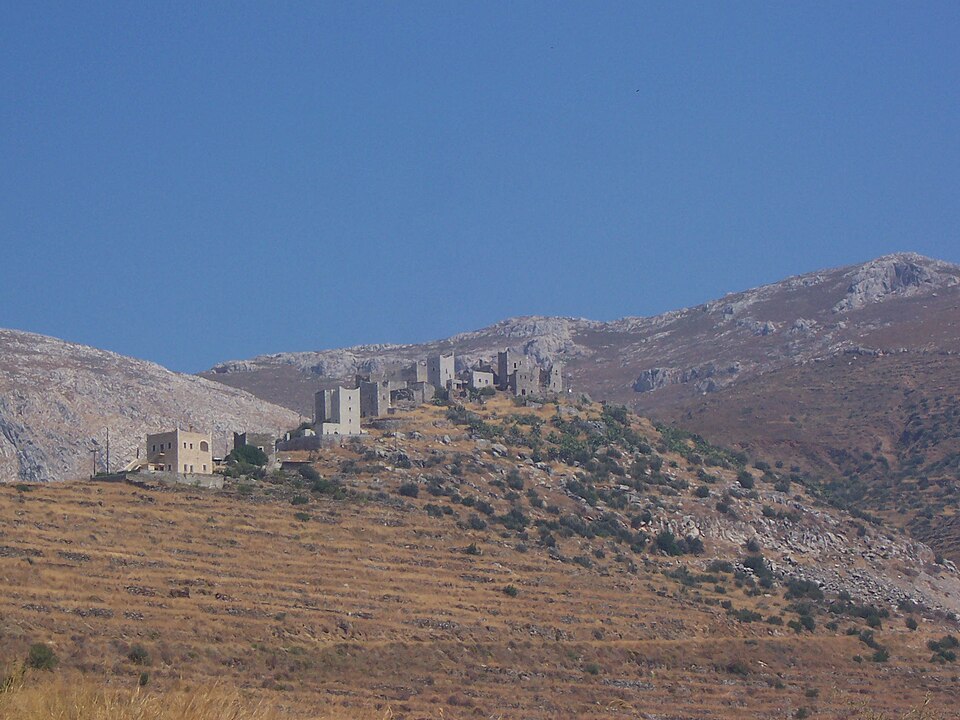
The most photographed hill in the Mani: a village that is nothing but towers, most abandoned, a few lived-in, all unforgettable against the evening sea. Walk the alleys respectfully, this is a monument that people still inhabit.
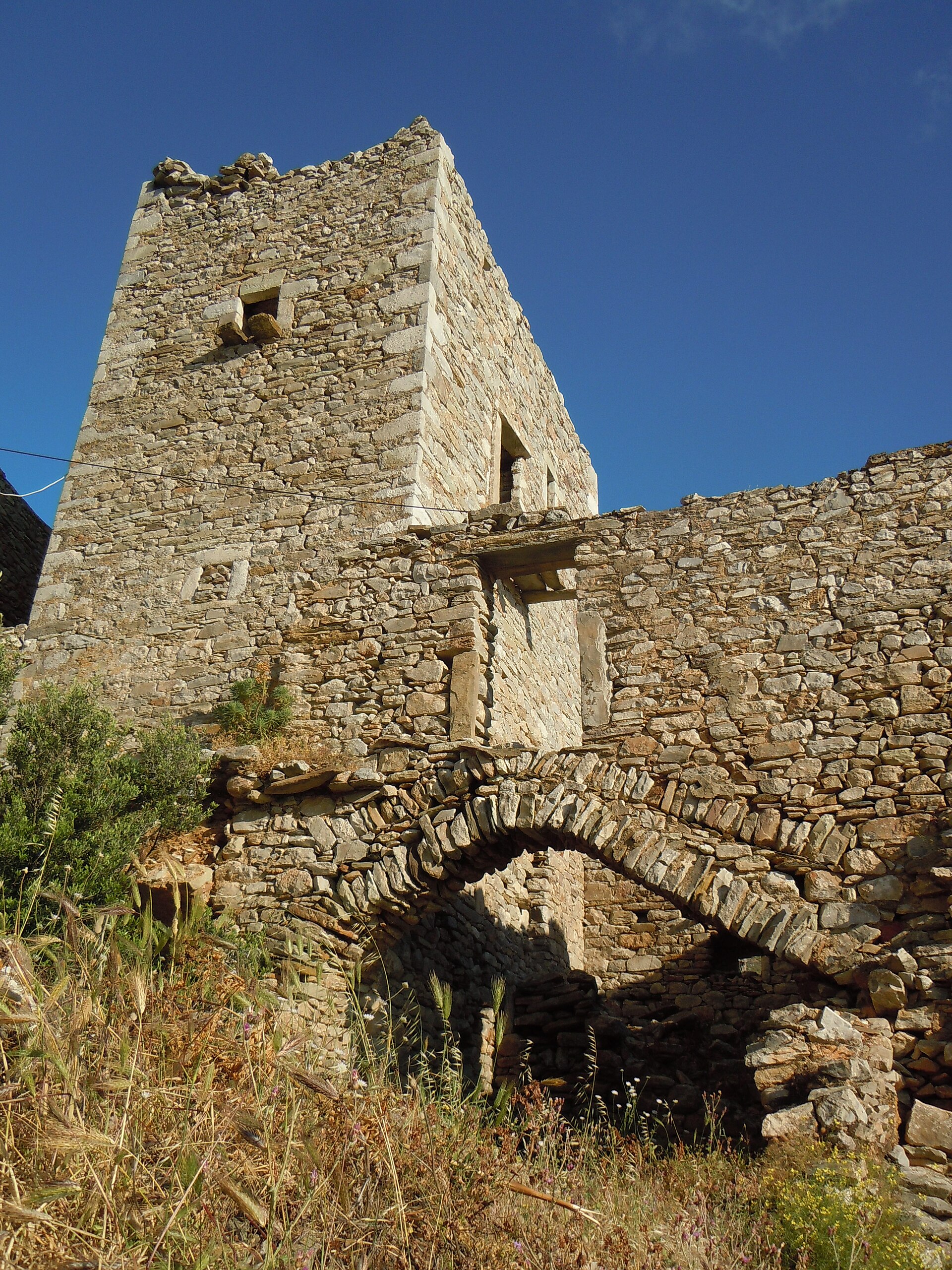
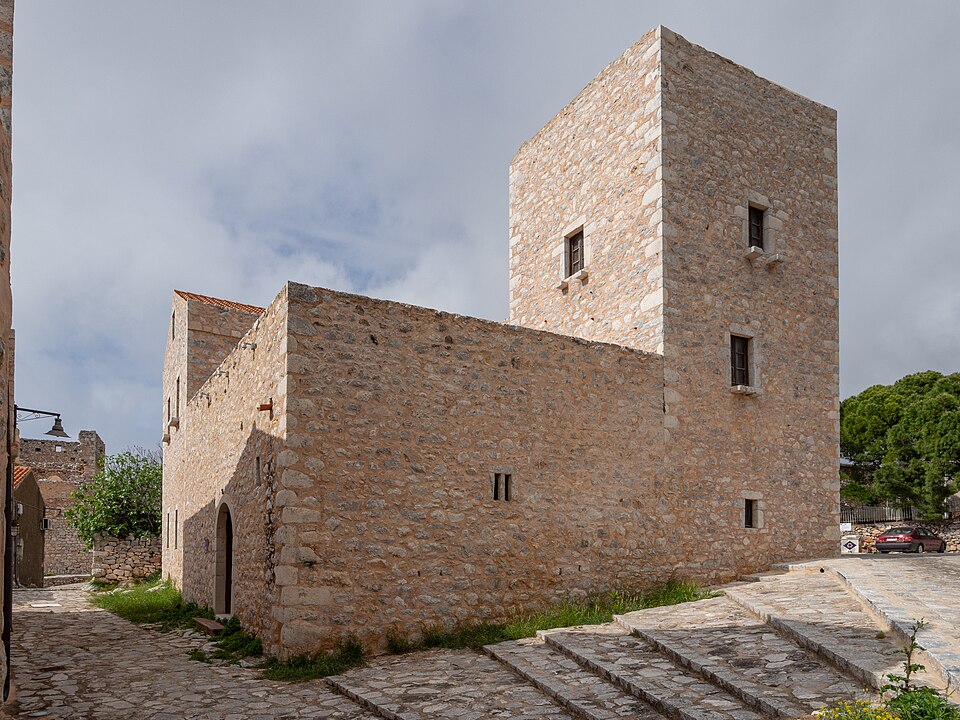
Few windows low, battlements high, marble over the lintel if the family prospered: each keep is a biography in masonry.
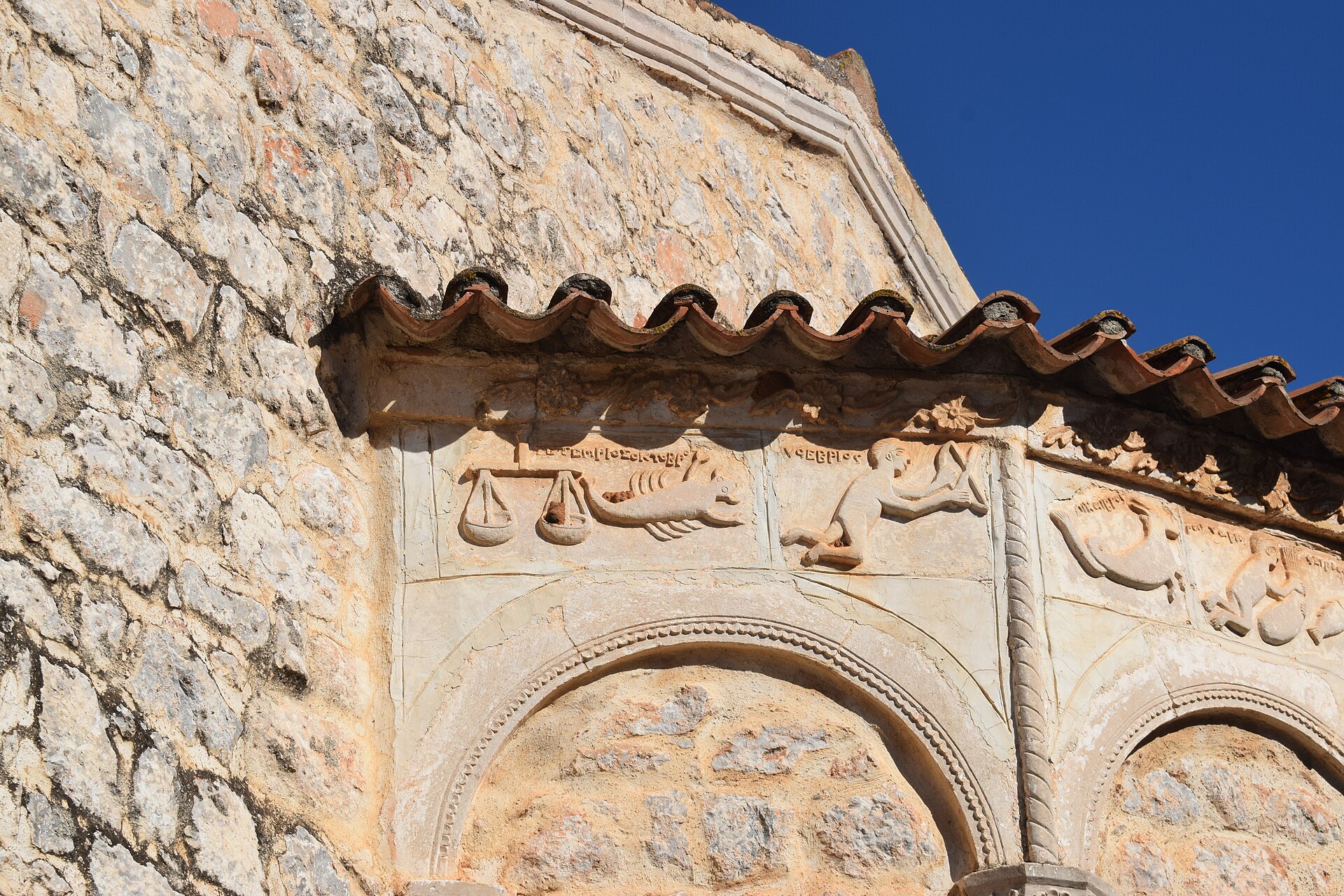
Named for Ares, war god, fittingly, the revolt of 1821 started here. Stone lanes, carved lintels, and the Mani's best evening volta around Plateia Athanaton.
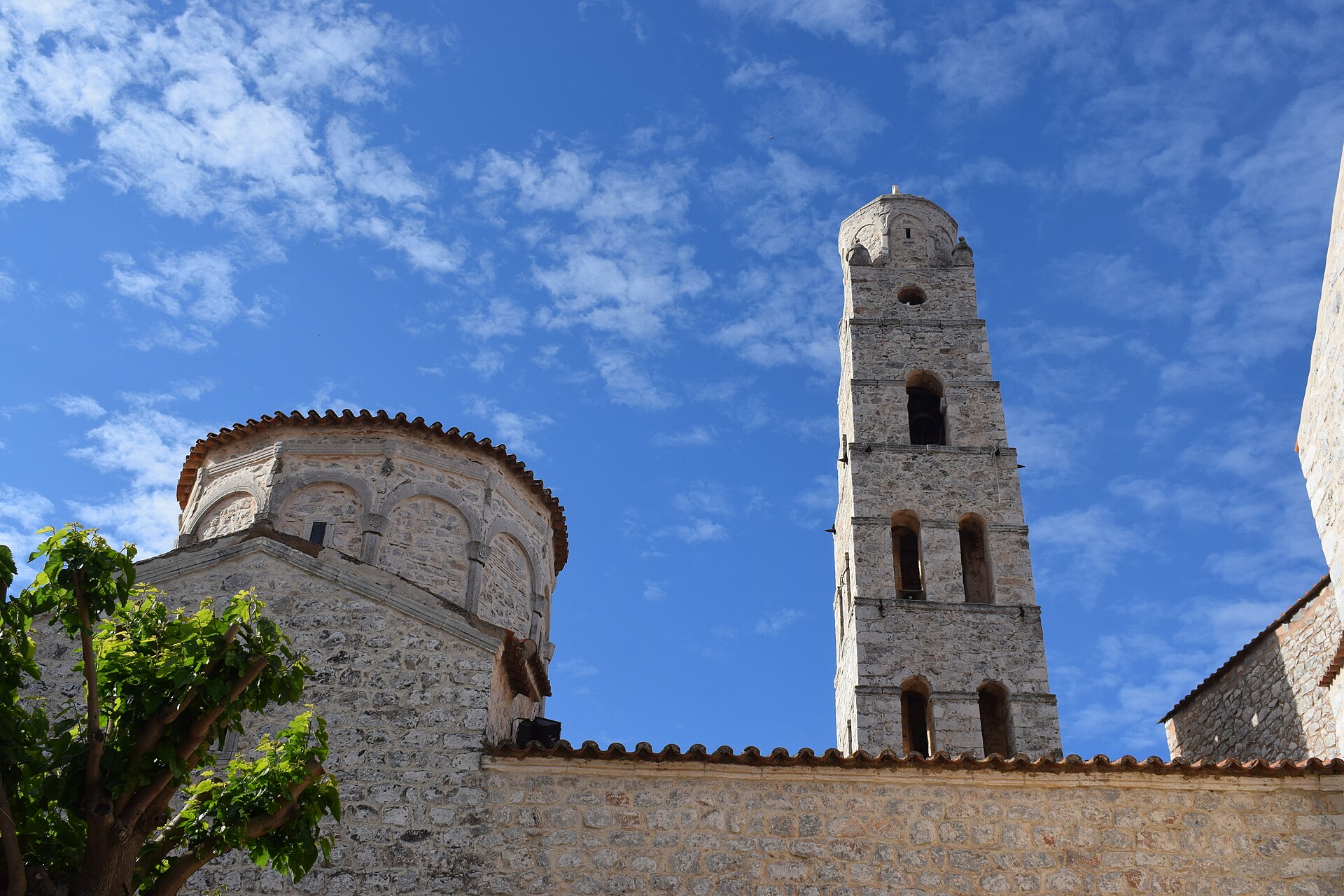
Suns, cypresses, double-headed eagles: Maniot masons signed their doorways in symbols. Look up in every lane.
From Areopoli the road unspools south through the Deep Mani, barer with every kilometre, towers multiplying, prickly pears in the walls, until it ends at Kokkinogia. From there, only a footpath continues: past the sanctuary where ancient Greeks located a gate of Hades, to the lighthouse on mainland Greece's southernmost stone. Full drive in our road-trip guide.
Gondoliers pole you through a flooded cathedral of stalactites, one of Europe's great cave visits, best booked for early morning before coaches arrive.
Gerolimenas tucks its handful of houses under a 200 m cliff; Vathia crowns its hill twenty minutes on. Stop often, every bend south of here is a photograph.
Ruins of Poseidon's sanctuary, a Roman mosaic underfoot, then the 1882 lighthouse and two seas meeting below. The swim back at the cove completes the pilgrimage.
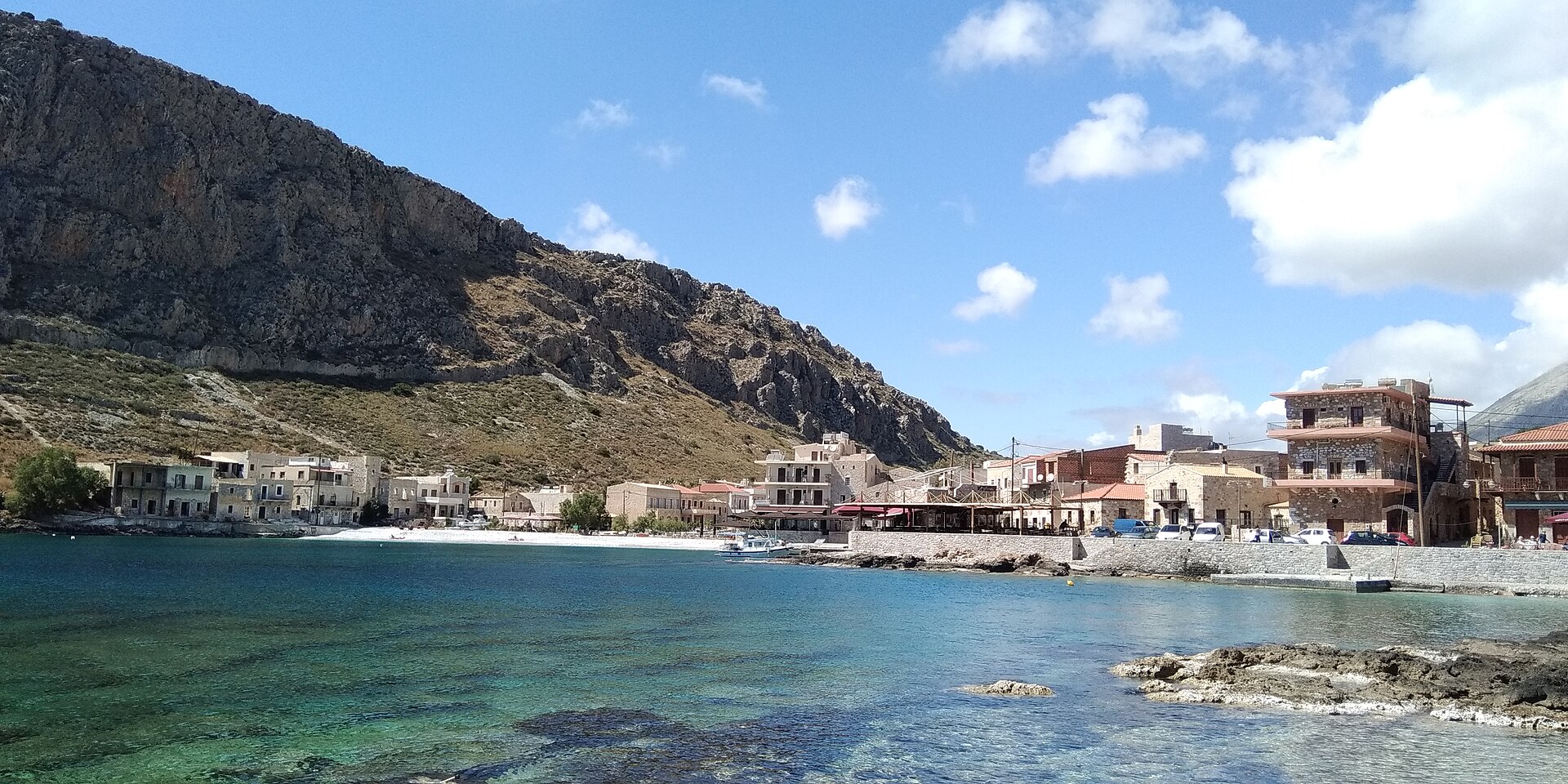
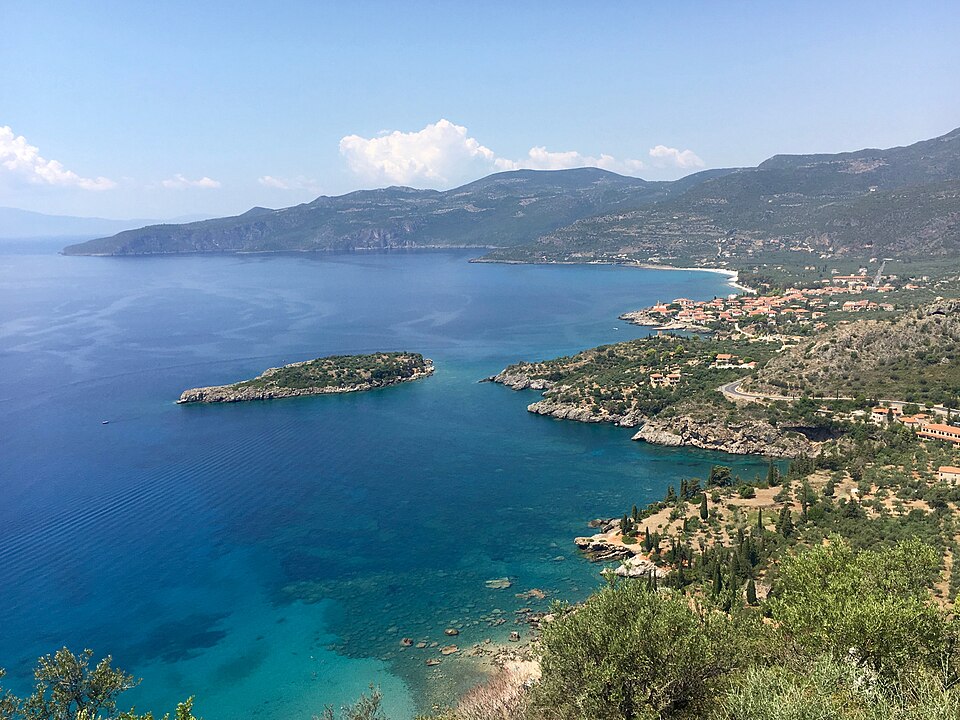
The Mani's austerity makes its coves land like miracles: Limeni's impossible blues under restored towers, Gerolimenas' pebble curve, hidden Porto Kagio facing the sunrise. Fish tavernas sit at the waterline everywhere, order the catch, the local lalangia fritters, and whatever the olive oil arrives in.
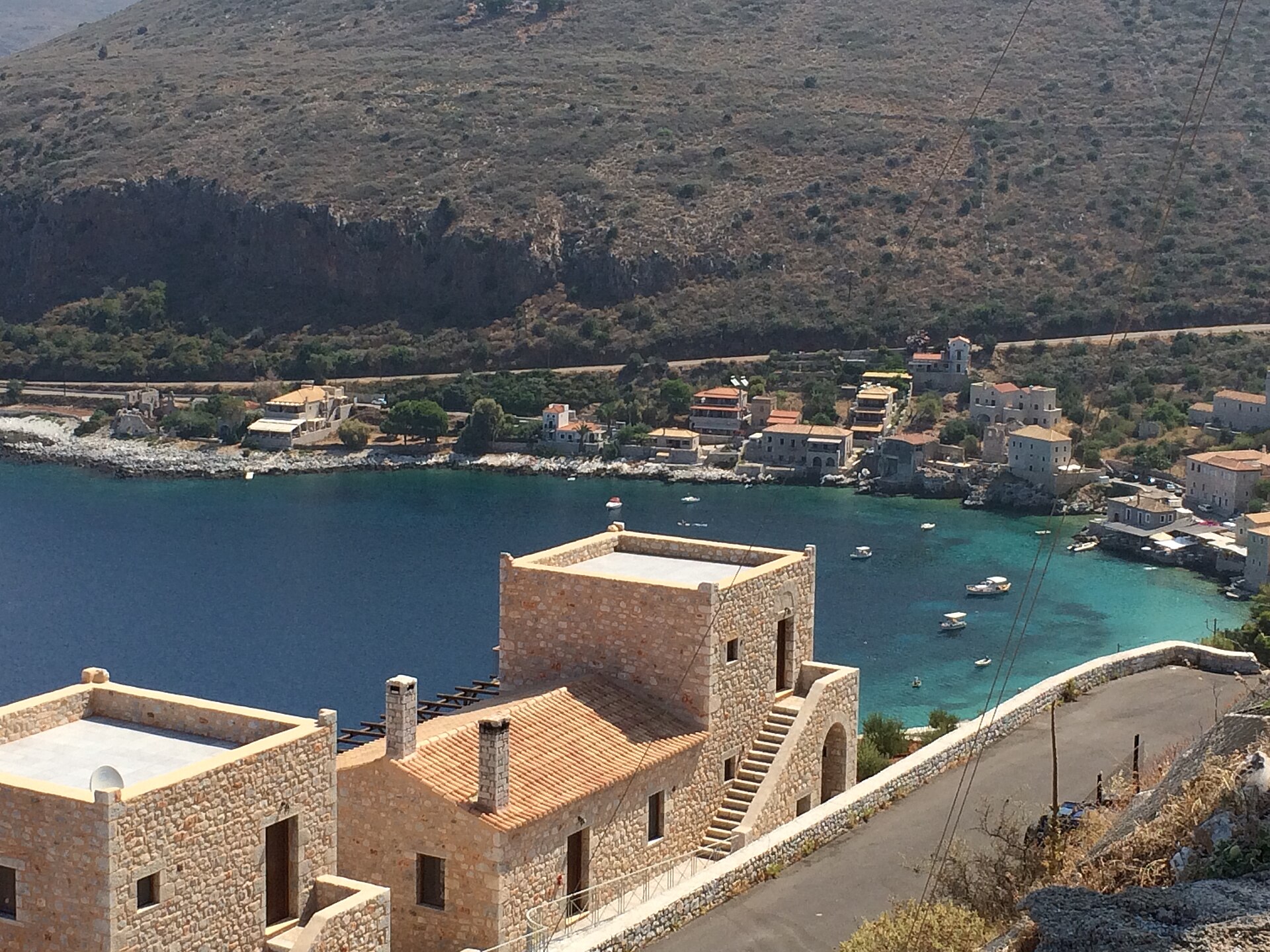
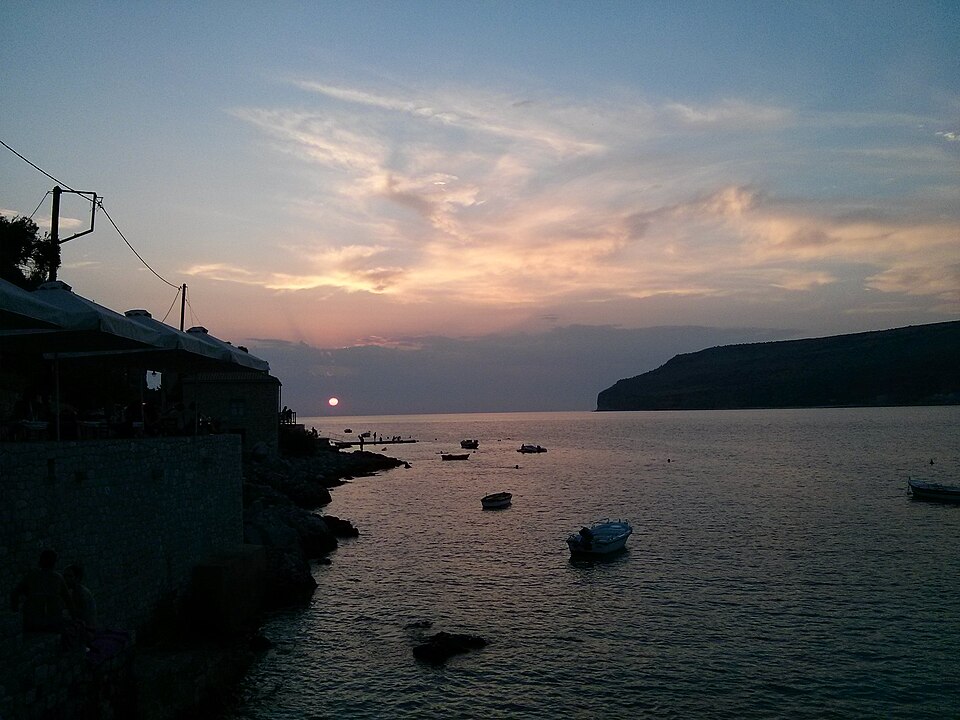
Areopoli's old harbour: tower houses rebuilt in stone at the water's edge, water so clear the boats seem to levitate, and sea-turtles cruising between swimmers at dusk.
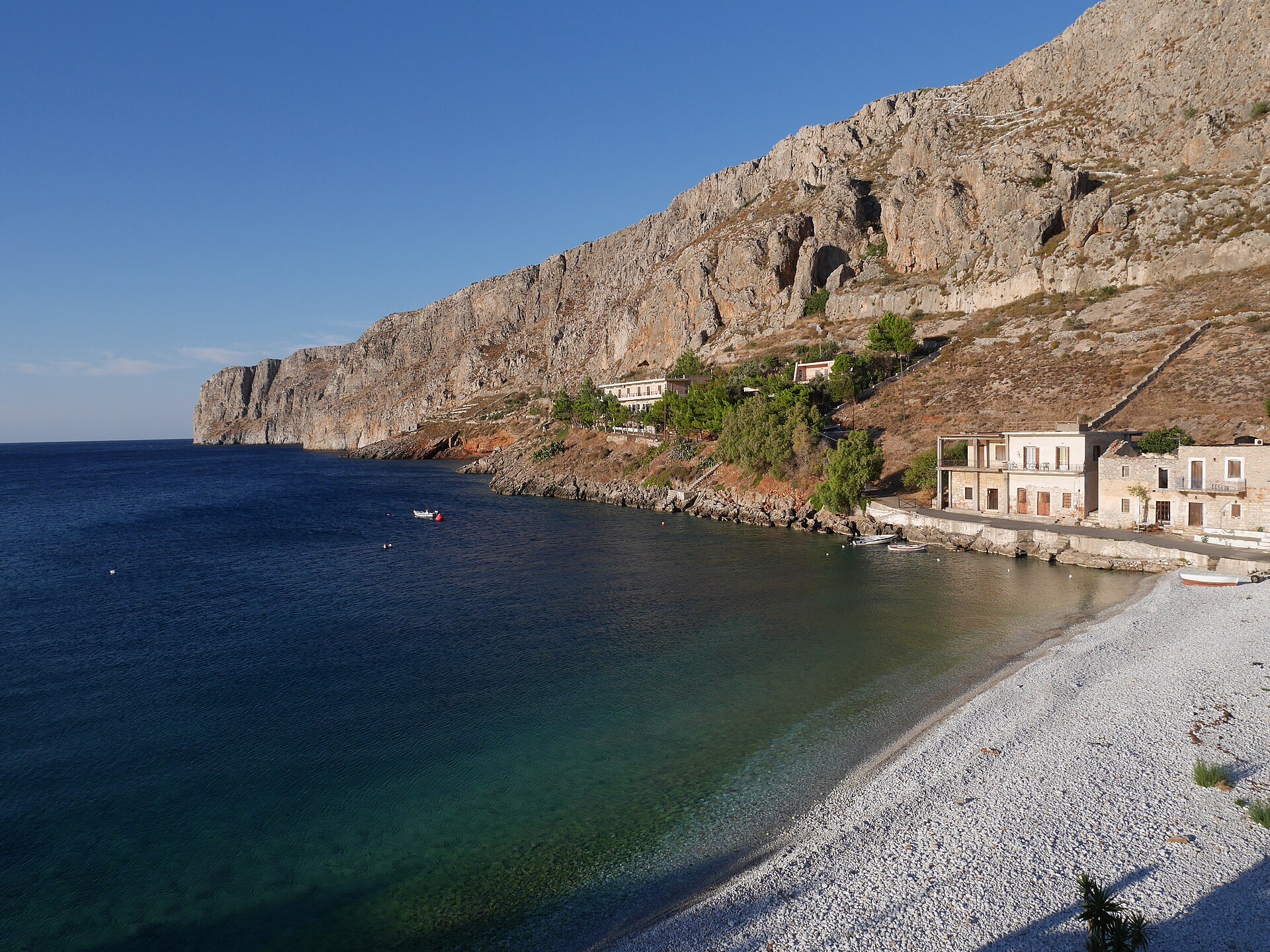
A pebble bay under a sheer wall, taverna tables where the fishing boats tie up, the Deep Mani's natural overnight stop.
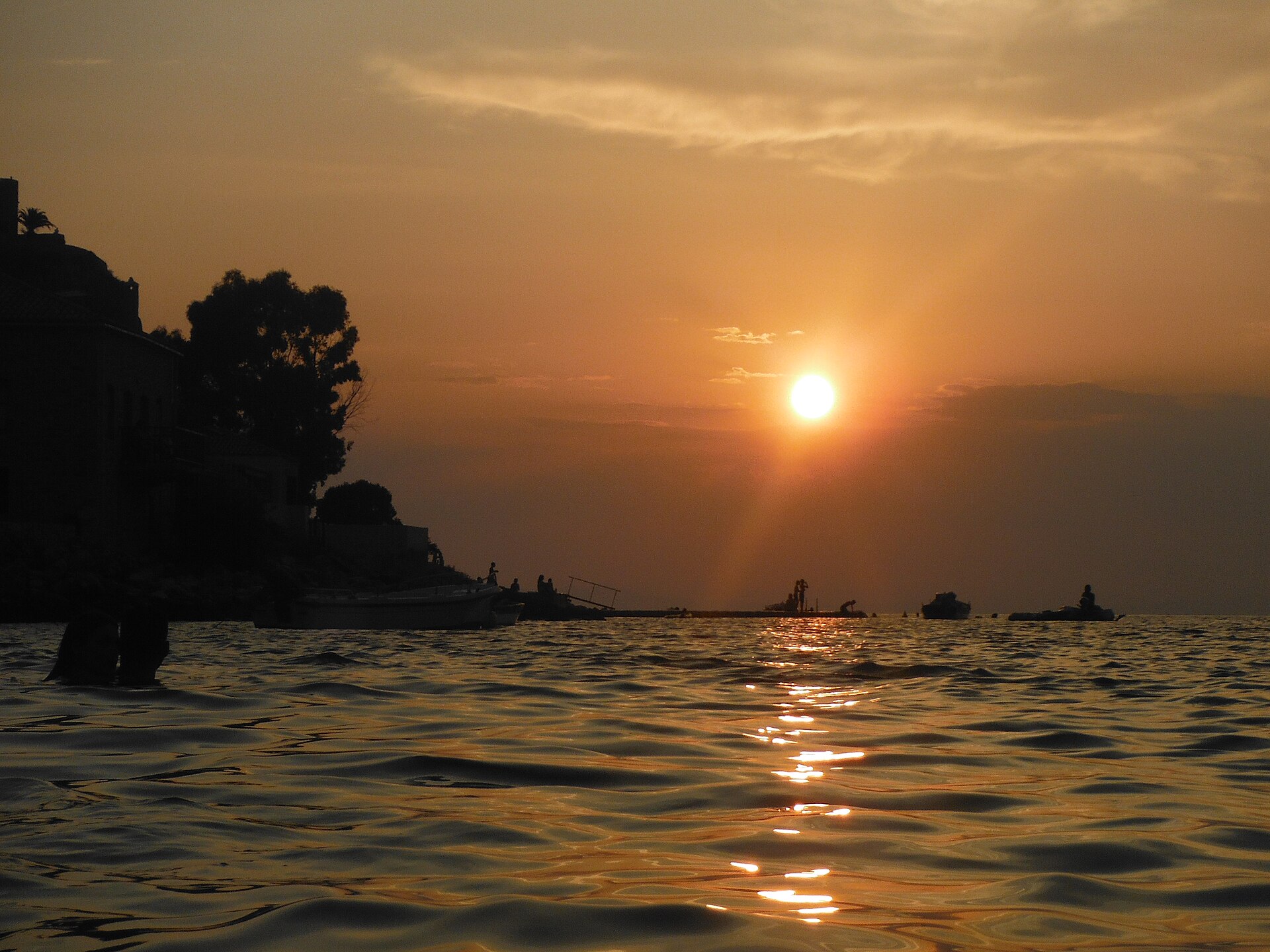
The Messenian side faces due west: time your taverna table for 19:30 and let the gulf do the rest.
The feuding keeps have become the Mani's signature hotels. Areopoli balances location and life; Limeni adds the blue bay at your feet; Gerolimenas positions you for the deep south and the cape at first light.
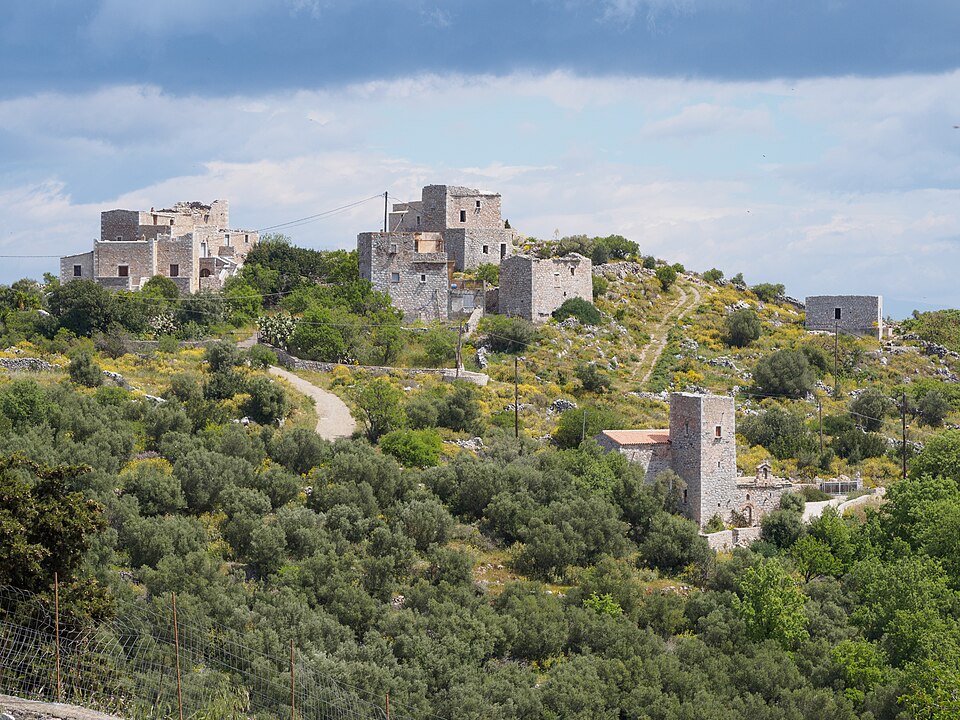
Monemvasia's castle town or the Mani's stone towers: a practical comparison of distances, costs and pace to help you pick, or combine, both.
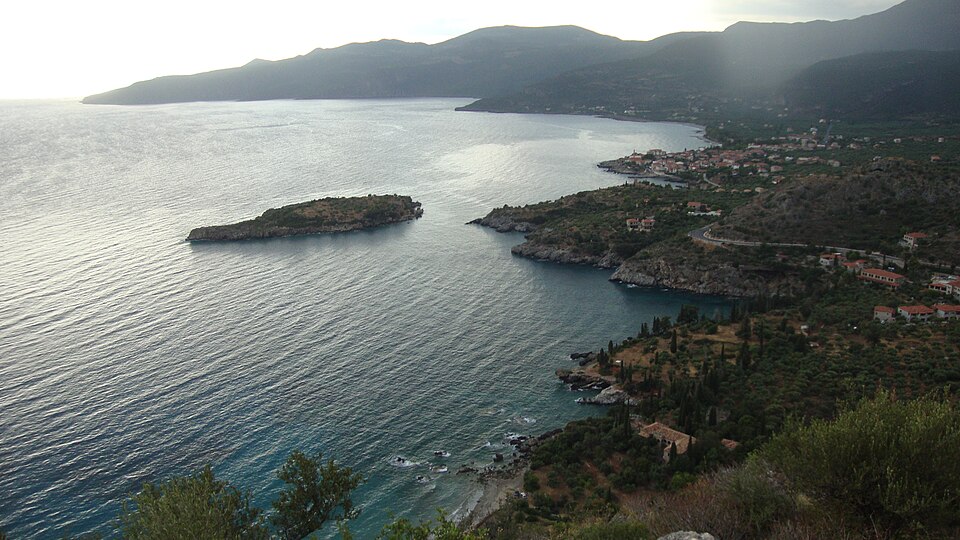
A practical guide to hiking the Viros Gorge above Kardamyli: route options, timing, water crossings, what to bring, and when the canyon is at its best.
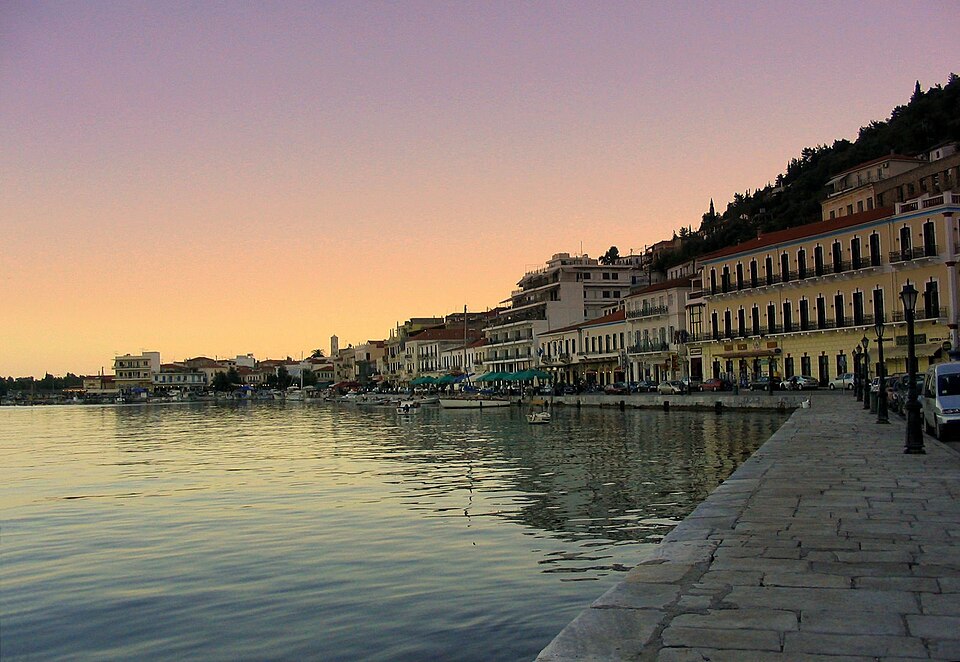
A practical guide to Gythio, the pastel harbor town north of the Mani: what to see, where to eat, and how it links to Areopoli and the stone peninsula.
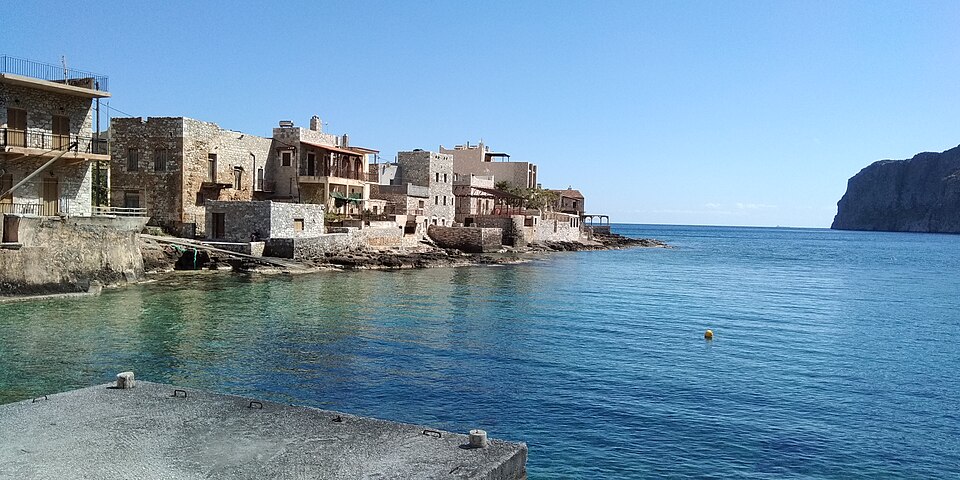
A practical guide to Gerolimenas, the quiet harbour village in Inner Mani: how to get there, what to do, where to stay, and when to visit.
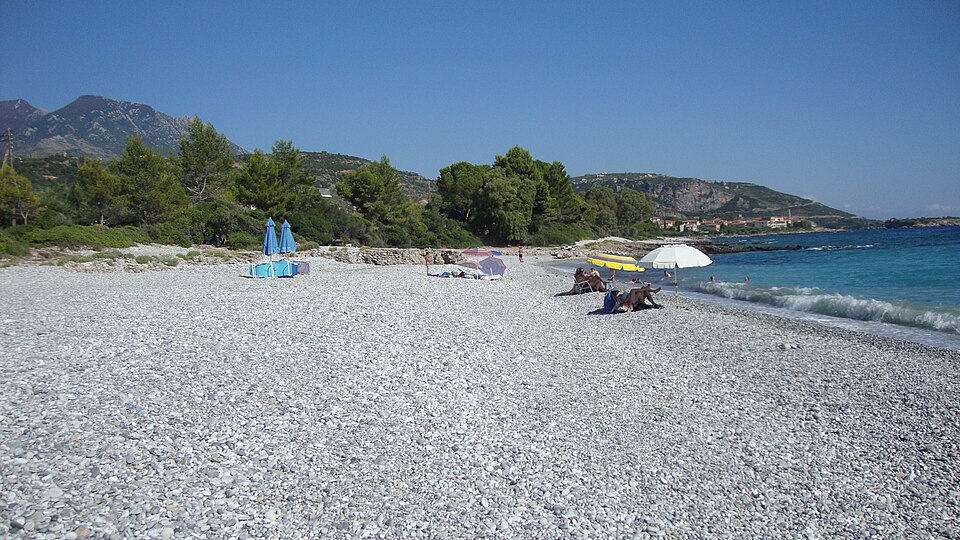
What to actually do in Kardamyli: gorge walks, pebble coves, the Old Village ruins, and day trips, with realistic timings and seasonal notes.
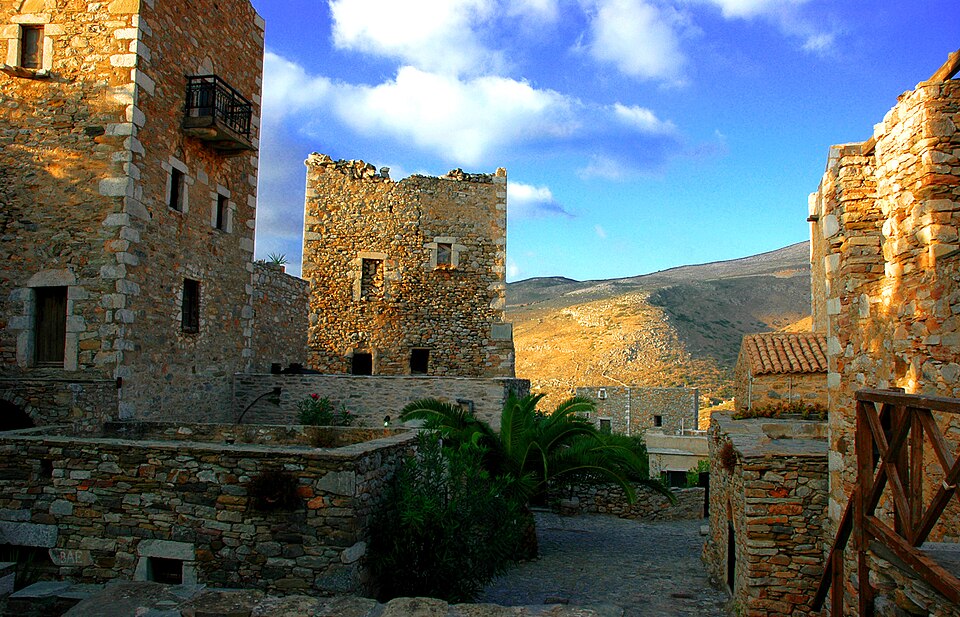
Why Mani's villages bristle with stone towers: a factual history of feuds, famine and defiance, from Byzantine refuge to the heights of Vathia.
What to expect from the Mani Peninsula in winter: closed shutters, open roads, rough seas and the few places that still pour a coffee.
Buses run thin and villages sit far apart. Here's an honest, practical answer to whether you need a rental car in the Mani Peninsula.
A practical guide to Areopoli: its tower houses, Taygetos Street square, day trips to Diros and Vathia, and where to base yourself in Inner Mani.
A factual guide to Mani's traditional food: syglino, lathorigani, diples and more, with where, when and roughly how much to pay in tavernas across the peninsula.
Real numbers for visiting the Mani Peninsula: car hire, fuel, rooms, food and entrance fees, season by season, with ways to cut costs without cutting the experience.
Stone towers or a Byzantine hill-city: a factual comparison of the Mani Peninsula and Mystras, with distances, timings and honest advice for a short trip.
Car, bus or combination: how to travel from Athens to the Mani Peninsula, with realistic driving times, bus routes, costs and seasonal notes.
Month by month, the Mani Peninsula's weather, crowds and light: when the stone towers glow gold, when roads empty, and when to book a tower room.
Areopoli, Limeni, Gerolimenas or a converted tower: a clear, factual comparison of where to sleep in the Mani Peninsula, with prices, distances and seasons.
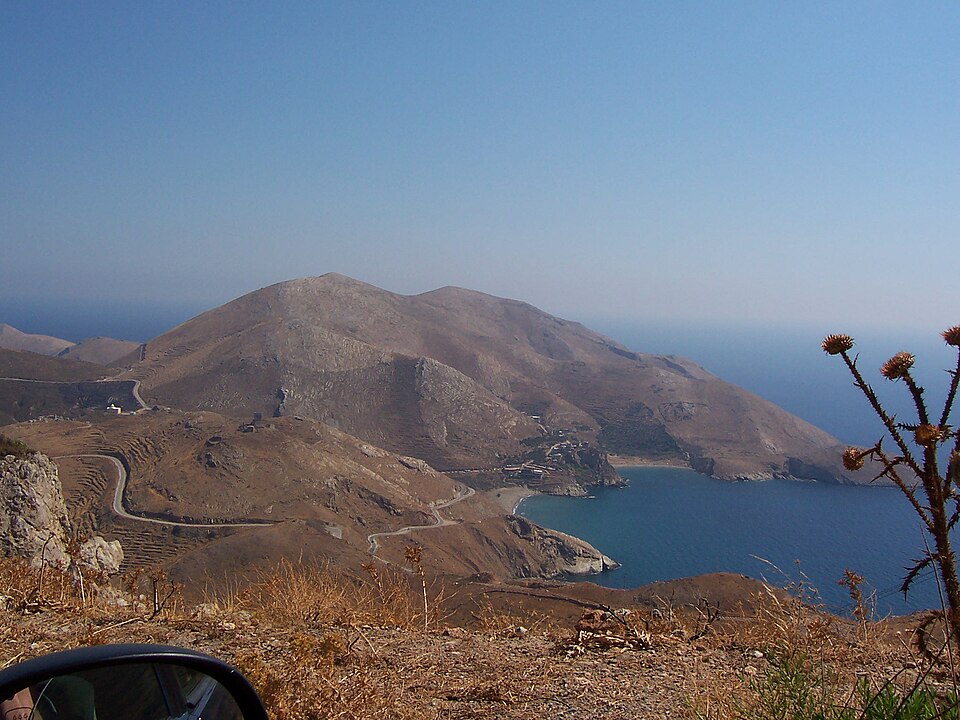
A practical guide to the Cape Tainaron hike: distances, timing, the lighthouse path, and what to see at the mythic gate to the underworld.
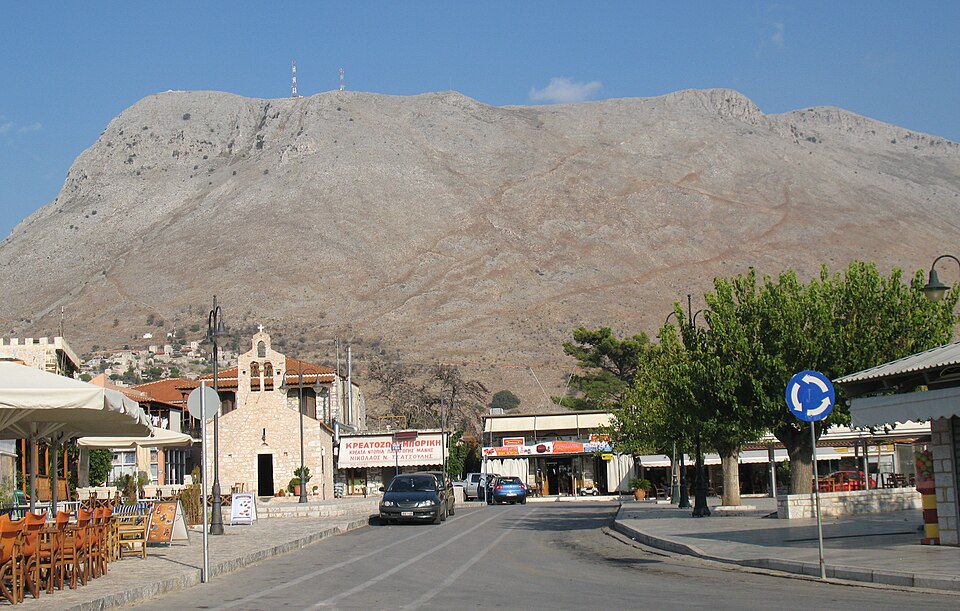
No invented five-star coves: a factual, honest ranking of the Mani Peninsula's best beaches, with distances, access notes and when to go.
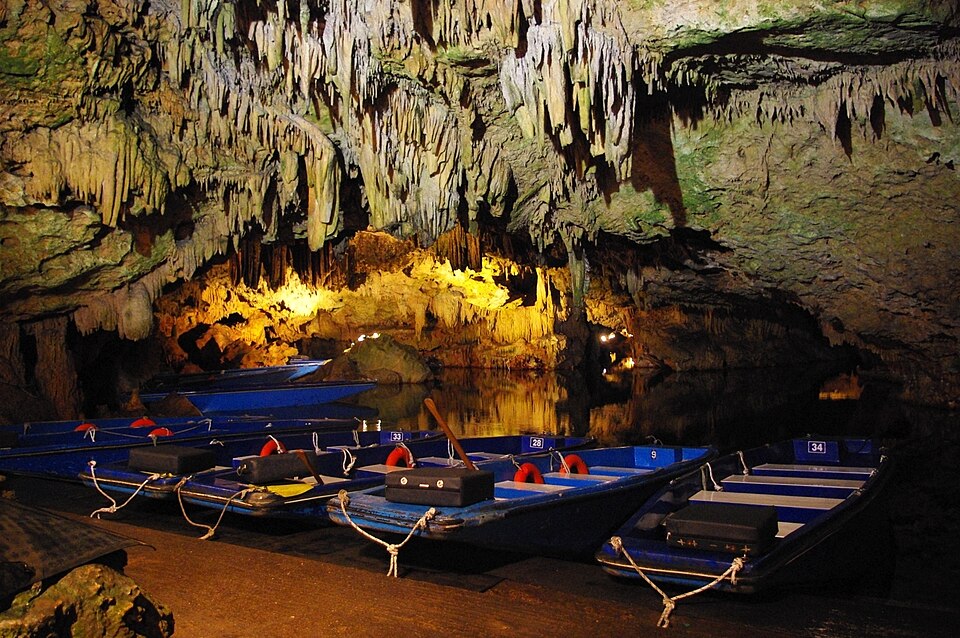
A practical guide to visiting the Diros Caves by boat: opening hours, ticket prices, queue tactics, what the ride involves and how to combine it with the Mani coast.
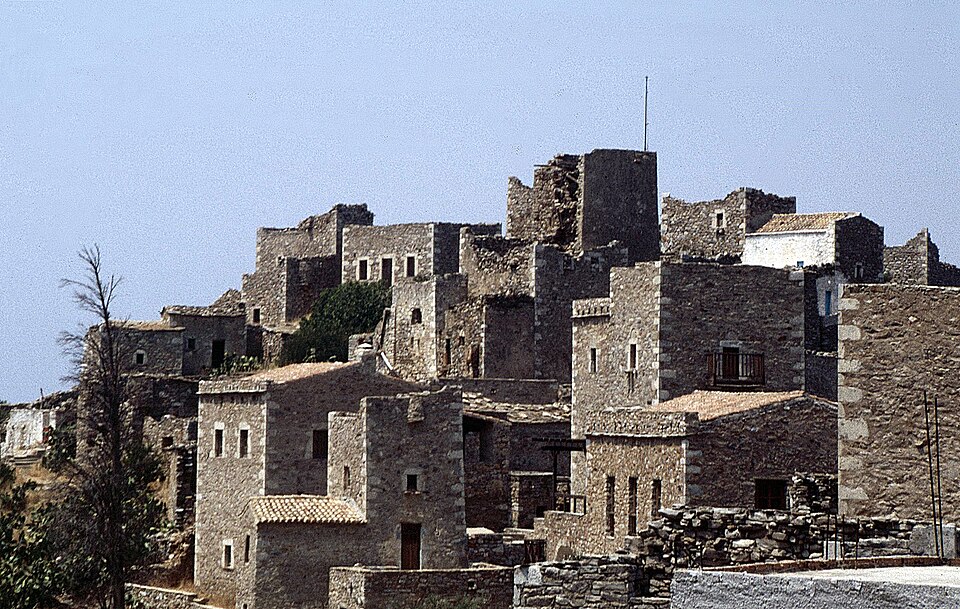
Vathia's stacked stone towers cling above the Ionian Sea at the Mani's tip. A practical guide to visiting, walking, and watching the light change.
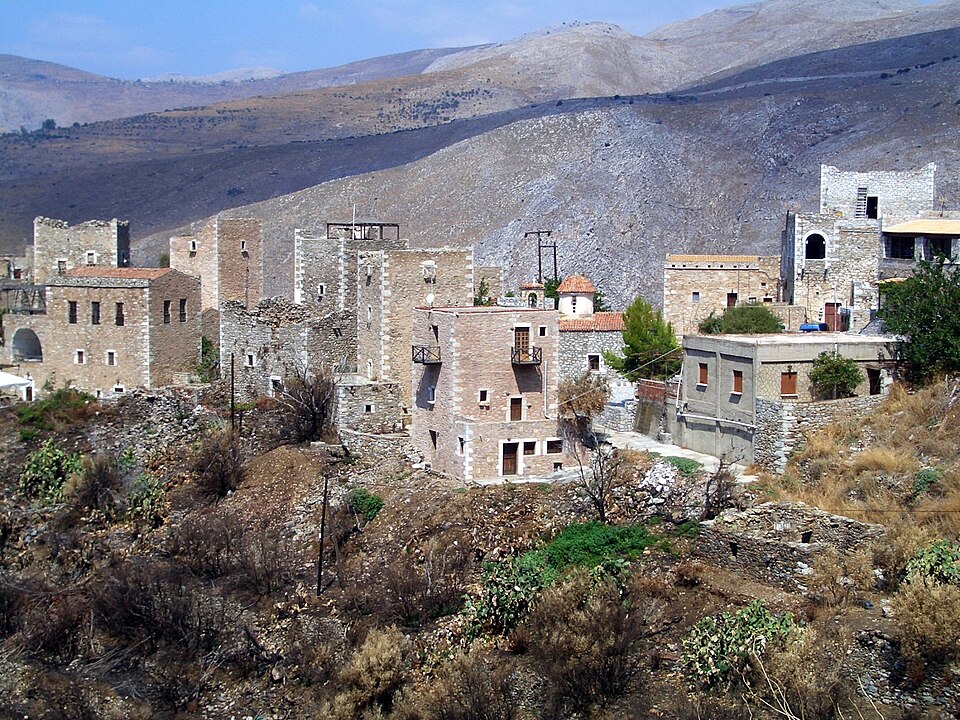
A three-day driving loop through the Mani Peninsula: tower villages, cave beaches, and dry-stone chapels, with distances, times, and seasonal notes.
Areopoli to the gate of Hades: the full loop with every stop, swim and taverna, timed for the light.
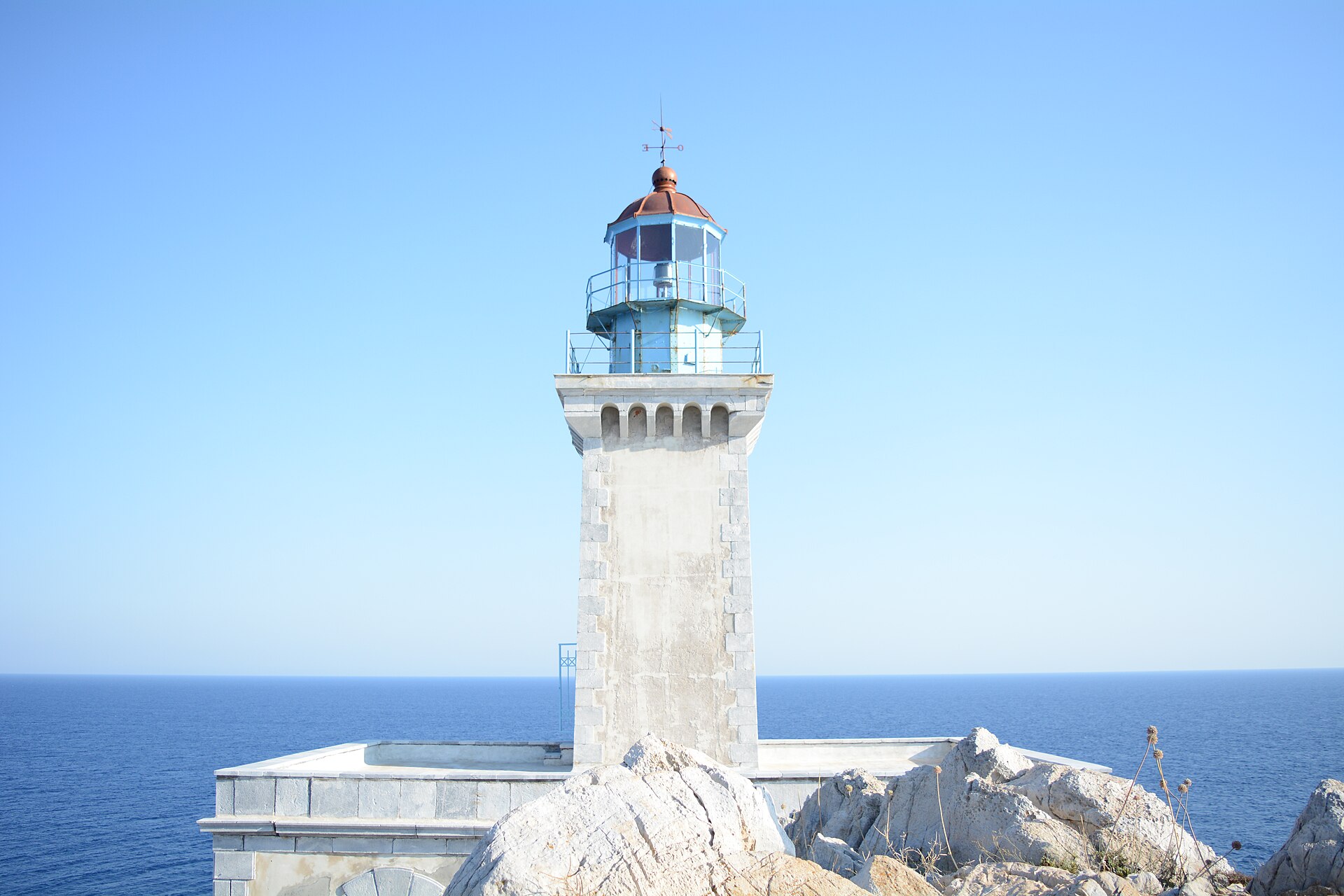
The Tainaron footpath in detail: sanctuary, mosaic, lighthouse, and the myth under your boots.
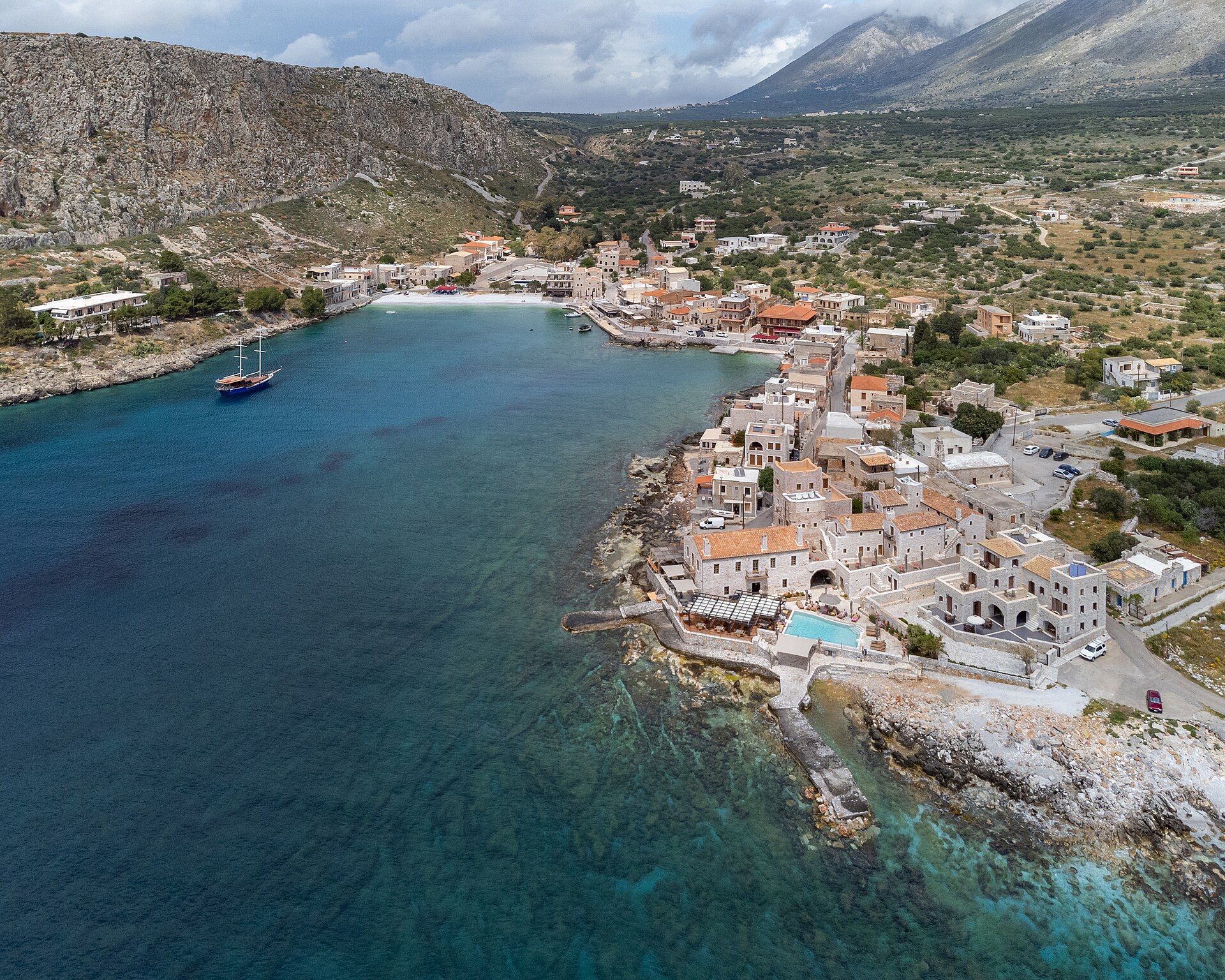
Syglino smoked pork, lalangia, mountain honey: the pantry of a land that wastes nothing.
The middle peninsula of the southern Peloponnese: 3.5-4 h drive from Athens, 1.5 h from Kalamata airport. A car is essential.
Clan warfare and resistance to outside rule: fortified family keeps built from the 17th-19th centuries. Vathia and Kitta are the great skylines; several towers are now hotels.
Two for the classic loop (Areopoli-Diros-Limeni, then Gerolimenas-Vathia-Tainaron); three to four to add Kardamyli and real swimming time.
Yes: 45 minutes each way from the road's end, past the Poseidon sanctuary and a Roman mosaic to the lighthouse. No shade, hat, water, swim afterwards.
May-June and September-October. August is hot and busy; winter is closed-but-cinematic.
Roads are good but narrow, with goats exercising right of way. Fill the tank in Areopoli, stations thin out heading south.